Human taste is the new luxury
I’m on the side of designers. Of the slow and sometimes messy and chaotic process that used to be considered an art. When did we go from admiring paintings that took decades to conceptualise to settling for soulless interfaces? Before you roll your eyes and assume I’m yet another person who is on the anti-AI agenda, I’d like to make it clear that I’m all for AI as an assistant, an automation tool and as a technological component that makes your life easier. Design is where I draw the line though.
You’ll likely be reading this post if you are either side of this wobbly line - as the take I’m exploring is that human taste is the new luxury. I have to admit though, this observation isn’t mine at all. In fact, it’s from this post talking about being completely exhausted by the amount of AI slop online.
What AI Misses
About 80% of the posts that talk about the excellent capabilities of Claude Design or similar LLMs and tools are by people who a. can’t afford to hire a designer or b. simply don’t understand what good design is. Because if you show these generated websites or social media posts to any competent designer, I don’t think they’d agree that the designs are ‘masterful’. The reason is layered a bit like a repetitive lasanga. These models have been fed actual designs by actual people (which in itself is a huge issue) and is then taking common elements and regurgitating it into something new.
You might argue that a 15 minute experiment doesn’t quite capture the capabilities of such models and that there is a deeper process involved in writing an intelligent prompt, feeding it resources and doing a bit of back and forth through a misguided iterative process to actually get a result you can ship. I’d argue, you could do all those things much better with an actual human being. If cost really is your only barrier, what about the long-term effects?
When working with clients on landing page websites or as an accompaniment to their visual identity, I like to see it as a long-term partnership. That same client could come back for more work when they have capacity to expand that website or for a retainer to occasionally update the content. Sure, that might be ‘expensive’, but in the long-run it builds a trustworthy relationship that is valued by both parties.
One of the most common drawbacks I’ve seen from people completely encapsulated by Claude’s possibilities is running out of credits. Imagine getting to a point where you’re paying the a salary’s worth in tokens? Is that really a feasible business decision? Investing in a designer or working with a consultant might seem out of reach, but relying on companies to not increase their prices and charge you for every little edit or change is a huge gamble.
I’m saying most of this having tried Claude and using it in my daily workflow for a month now. I’ve built a few apps, asked for guidance on some automations which have in fact streamlined some processes that I would otherwise need to do manually. But as I said before, I draw the line at design. No matter how advanced the technology gets at acting like a brand strategist or a content producer, it’s simply a wolf in sheep’s skin.
Changing Trends
Of course, shouting about these things on the Internet isn’t really going to change the trajectory of this market. Trends in design are changing quicker and quicker and this is accelerated even more when accessibility becomes somewhat common. I don’t have an issue with making the design process accessible, because this can help those who may not have a creative eye to explore spaces or media in a new way. What I’m worried about is the benchmark for good taste.
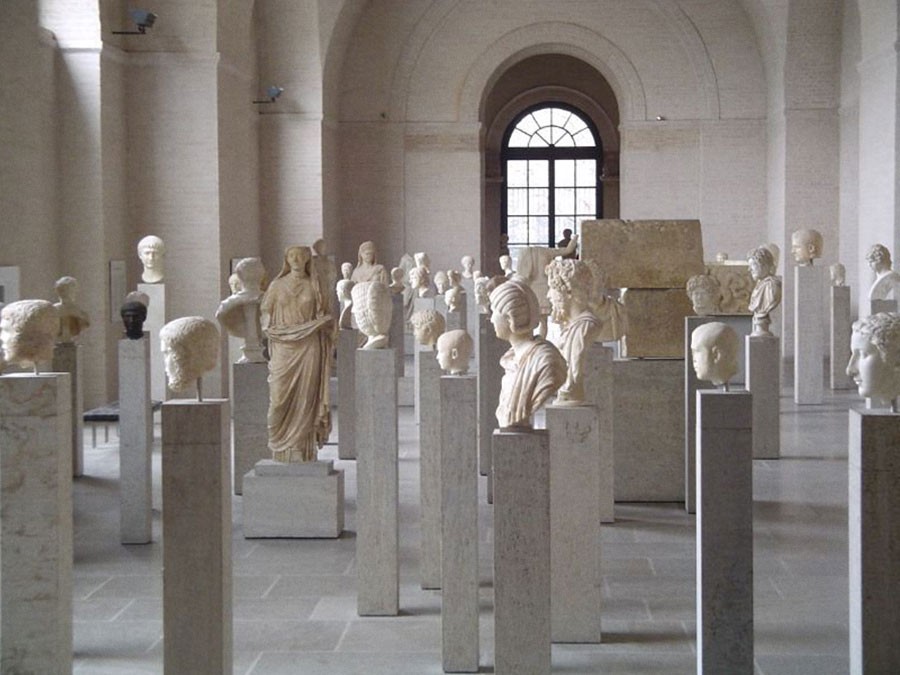
Previously, we’d refer to art, sculptures, architecture that took a long time as beautiful or incredible. The time something took to produce often implied that there was a huge amount of effort and patience that went into it. Creative work was appreciated and that created taste. As the distance between idea and concept gets shorter, these outputs become the new norm. If it looks roughly good enough and has basic elements, then it must be good design.
Yet there’s a whole side of online discourse that is irked by the feeble attempts at UI design or cariousels with mismatched fonts and corny jokes. This is because whilst AI design may seem good enough on the surface, it’s not got the decades of experience or detailed eye that designers actually have.
As this new benchmark unfolds, a human’s opinion and taste becomes rare. I think this will be the key distinction between design that is accessible and that is luxurious. It’s like the difference between hiring a neighbour’s kid to mow your lawn versus a landscape designer to meticulously plan out your garden design. Two different services but one is classed as luxurious and the other is simply good enough. Whilst there’s no harm in design that’s good enough, I think it will skew trends towards raw and explicity human-made design. It’s likely why every few years people start announcing that print is back or there are AI tags on social media platforms.
What This Means For Designers
So what does this mean for the average designer? Well whether you design products or packaging, I think there will be two sides to the story. One is the group who thinks that designer’s are out of a job permenantly. They’ll be the ones settling for design that is ‘good enough’ because of speed and maybe price (although I also think this is soon to be inaccessible). The other group will learn to value us. They will seek us out and admire good design because they trust human taste. It’s why we go back to vintage clothing, playing records and collecting Pokemon cards. When available, these things were the norm. They changed because of technology, but are having a resurgance because of the care and effort that went into producing them.
This might be rather unpredictable, and it may not even happen for years to come. Does that mean designer’s will have it rough till then? Probably. When thinking about what sets apart my communications studio from other consultants and marketers, I knew there had to be something in the way I deliver projects that no one else would replicate, let alone an AI. That bit is authenticity. There is no way you can convince me that AI generated content is authentic. Even if you go in circles and ask it to think for you or to evaluate your inputs, it still loses a part of that authenticity because you’re relying on this artificial model to do the thinking for you.
Of course, not all designers need to take an anti-AI stance. They just need to identify the bit that they do which AI can certainly not replicate. There’s loads of this, and I reckon over time, the mere idea of something created by a human is enough of a distinction.
I’m curious what fellow designer’s make of the situation, if it’s affected their current and incoming clients or the way they think and how you might be incorporating (if at all) AI into your workflows and processes. There’s no right or wrong way of course, but it certainly will be interesting to see how it all unfolds.